
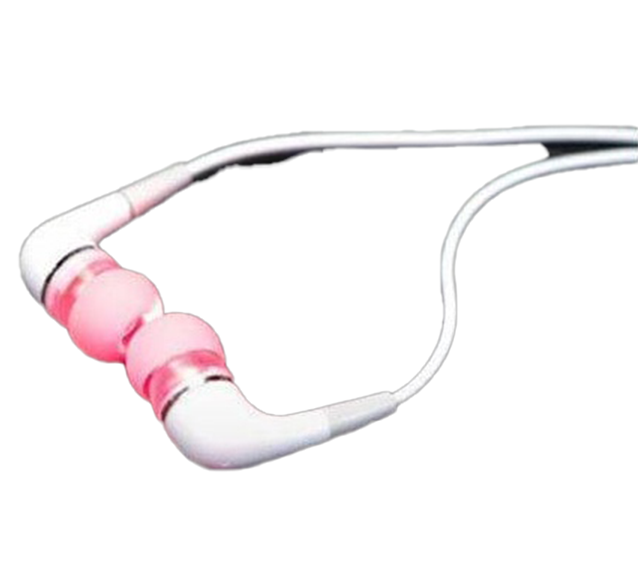
Product Function:
The Semiconductor Laser Therapy Device SLTD, which uses a low intensity laser as a means of light therapy.
The Semiconductor Laser Therapy Device SLTD is a high-tech product based on modern laser medicine.
Medical research on the 650nm (nanometer) red laser light used in the product dates back to 1903.
By Dr. Niels Ryberg Finsen of Denmark.
He received the Nobel Prize in Medicine for his research on artificial light and light therapy.
In many studies, the radiation and wavelengths of laser light have been utilized to alter the biological properties of cells and to enhance
Cellular activity, enhance the oxygen carrying capacity of cells, improve cellular deformation, reduce the concentration of molecules in the blood.
Improve blood rheology, reduce triglycerides and cholesterol, effectively prevent heart disease and cerebral thrombosis,
Diseases such as myocardial infarction.
Light waves with a wavelength of 650nm are known in the world medical community as the golden band of "life light" for the human body.
It can penetrate the skin, fat, muscle, blood vessel walls and other tissues of the human body without harming the human body.
Tissue cells. The laser power emitted is 1-5mw, which is a low energy laser, and is used in the ear canal by the laser.
The laser penetrates the human body without causing any damage under the irradiation.
Semiconductor laser therapy device SLTD, through the ear canal of the weak laser irradiation.
Converting blood into monochromatic low-energy light quanta has some beneficial effects on the human body as follows:
Reduces blood viscosity:
Enhance the aggregation of red blood cells and platelets by boosting red blood cell
Oxygen-carrying capacity, which restores the original negative dosage of red blood cells to normal and increases the repulsion between them.
Red blood cells that had been clustered are dispersed into clusters, thereby reducing blood viscosity.
Lowering of blood lipids:
It can activate various enzymes in the blood, melt and decompose the excess fat in the blood, and increase the oxygen content of the blood.
This accelerates free radical scavenging, interferes with lipid peroxidation metabolic processes, and reduces and removes intravascular
Cholesterol, lowering blood lipids.
Reduces vasoconstrictive substances, increases vasoactive substances, reduces blood clots and
Good for preventing heart and cerebrovascular diseases such as stroke, cerebral infarction, myocardial infarction, coronary artery disease, etc.
Diseases such as heart disease.
Reduces blood viscosity, improves red blood cell and platelet aggregation, resulting in decreased blood viscosity and peripheral resistance
At the same time, it lowers blood lipids, improves the elasticity of blood vessel walls and restores blood pressure to normal. Due to peripheral resistance
Reduces heart load and stabilizes blood pressure.
Enhance brain memory, engaged in mental labor, every day to consume a lot of adenosine triphosphate (ATP)
This energy must be formed into oxygen and glucose.
The Semiconductor Laser Therapy Device (SLTD) enhances the oxygenation and release of red blood cells, thereby ensuring that the brain
It is a good source of energy for brain health and memory enhancement.
Low-intensity laser red light induces a series of biochemical reactions in the human body, through the dual action of blood activation and blood purification.
It acts to improve and restore the physiological function of the blood.
Red light therapy interacts with all cells in the body and greatly enhances collagen production.
The use of SLTD has improved some of the body's ailments. Also understanding the importance of pH level to the health of the body.
However (Semiconductor Laser Therapy Device SLTD) is a visible red light with a red spectral wavelength of 650nm (nanometer).
Through this red light, the blood of the body can be improved, from a series of unhealthy red blood cells, to a separate red blood cell.
Each red blood cell is able to carry oxygen normally, so that the body and all organs can get enough oxygen.
Improvement of cardiovascular disease︰
A red laser with a wavelength of 650nm can penetrate the cortical tissue and reach the blood vessels. When absorbed by the endothelial cells, the laser can be absorbed by the endothelial cells, and the blood vessels can be absorbed by the endothelial cells.
triggers the release of nitric oxide (NO), a natural vasodilator that can diffuse into the
In the surrounding smooth muscle cells, it helps to relax and dilate blood vessels, improve blood flow and lower blood pressure.
This process, called photobiomodulation, can help improve blood circulation and oxygenation to the heart and other organs.
Supply. Because it is a non-invasive treatment with minimal side effects, it is considered a health care regimen,
A great way to prevent cardiovascular disease.
Promote Blood circulation and purify blood︰
The 650 nm laser promotes ATP production in the mitochondrion of cells. On the one hand.
It can ensure that red blood cells have sufficient energy to maintain their structure and deformation ability; on the other hand, it can inhibit
Platelet aggregation and cross-linking of fibrin reduce blood viscosity and greatly improve blood rheology.
Indicator. In fact, according to the usual practice in the past, we only need to shine the SLTD directly onto the ear guide.
It can achieve the effect of health and wellness.
Changes in Clinical Symptoms of Sub-health:
Quantum of light stimulates phagocytes to increase their capacity to accelerate lipoprotein degradation and reduce peripheral resistance.
Improve blood microcirculation, can quickly relieve systemic symptoms, improve activity endurance, relieve dizziness, headache,
Forgetfulness... etc.
Product Specification:
Low-intensity laser A pair of wired earbuds.
USB powered outlet.
Boxing.
Spare earplugs
Laser wavelength: 650nm ±20nm
Single laser output power: 5mW ±20%
Input power: <5VA